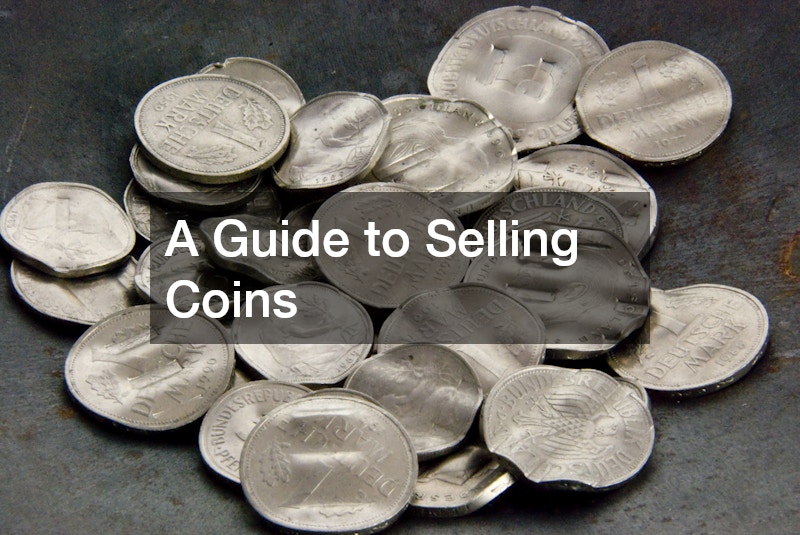

Coin collecting, rich in history and stories, is both a fascinating hobby and a business. The dynamic market is affected by rarity, demand, and historical significance. Before selling coins, individuals should understand their collection’s value and market potential to maximize returns. This guide offers insights for successful coin selling.
1. How Do I Determine the Value of My Coins?
Understanding Coin Grading
Coin grading assesses a coin’s condition, impacting its value. Services like PCGS and ANACS offer standardized grading, enhancing credibility. Knowing grading standards helps sellers understand their coins’ valuation.
Researching Market Demand
Market demand influences coin prices. Researching auctions, numismatic publications, and collector communities helps sellers time sales and identify in-demand coins.
Identifying Rare and Unique Coins
Rarity significantly affects coin value. Researching mint marks, dates, and unique features helps identify valuable coins. Documenting these enhances selling points in negotiations.
Using Professional Appraisal Services
Professional appraisals provide expert value assessments. Choosing certified appraisers boosts credibility and aids in setting prices.
Considering Historical Significance
A coin’s historical context can affect its value. Providing compelling narratives enhances appeal to collectors.
2. Where is the Best Place to Sell Coins?
Online Marketplaces for Coin Collectors
Online platforms like eBay connect sellers with global buyers. Detailed descriptions and images are essential for listings. Consider platform fees when pricing.
Coin Dealer Shops and Auctions
Local dealers and auctions offer direct transactions and professional evaluations. Auctions can drive up prices with competitive bidding. It is essential to research and verify the credibility of the dealer to ensure a fair transaction.
Attending Coin Shows
Coin shows allow in-person showcases for targeted audiences, enabling immediate negotiations and networking. These events also serve as an excellent opportunity to learn about market trends and gain insights from seasoned collectors.
Using Auction Houses for High-Value Coins
High-value coins benefit from auction houses, offering marketing and authentication. Consignment fees should be considered. Additionally, the auction house’s reputation can significantly impact the final sale price, making it crucial to choose wisely.
Peer-to-Peer Sales Through Collectors’ Networks
Collectors’ networks provide personal, fair pricing for sales. Establishing relationships facilitates current and future sales. Such interactions often foster trust, enhancing the overall buying and selling experience for both parties involved.
3. What are the Differences Between Selling Locally and Online?
Pros and Cons of Online Selling
Online selling offers a broad reach but involves competition and fees. Secure payments are crucial to avoid fraud.
Advantages of Selling Locally
Local sales reduce shipping costs and enhance trust through face-to-face interactions. Local dealers offer valuable market insights.
Logistics and Shipping Challenges
Protect coins during shipping with insured services. Include costs in pricing and manage international regulation challenges.
Assessing Reach and Audience
Target audience assessment guides sales efforts. Analyze sales data to focus on areas with the strongest demand.
Transactional Security Concerns
Secure payments and transaction documentation prevent fraud. Building a trustworthy reputation is essential.
4. How Can I Protect Myself Against Fraud?
Verifying Buyer Credentials
Verify buyers by checking reviews and transaction history. Direct communication prevents fraud and ensures smooth sales.
Using Secure Payment Methods
Secure payment options like PayPal reduce fraud risks. Understand the protection policies of payment services.
Employing Escrow Services
Escrow services offer transaction security for high-value sales. Understand associated fees and reputable services.
Recognizing Common Scams
Stay informed about scams through community and organizational resources. Awareness helps preempt fraudulent activities.
Documenting Transactions and Coin Authenticity
Keep thorough transaction and authenticity records to resolve disputes and reassure buyers.
5. What Legal Considerations Should I Be Aware Of?
Understanding Tax Implications
Coin sales usually generate taxable income. Use tax professionals for compliance and avoid penalties.
Compliance with Local and National Regulations
Know regulations affecting coin sales. Consult legal experts for guidance and stay updated with legislation changes.
Export and Import Constraints
Understand international trade laws, required documentation, and logistics for cross-border sales.
Documenting Provenance and Ownership
Maintain documents that prove coin authenticity and ownership to prevent disputes and enhance value.
Recognizing Restricted and Banned Coins
Research legal restrictions on certain coins. Consult experts to ensure compliance and ethical selling practices.
Selling coins requires market understanding, secure practices, and legal awareness. Thorough research and adaptive strategies are key to success. Assess personal goals and market conditions to optimize selling activities.